Gum Disease
Gum disease, also called periodontal disease, is a mouth tissue infection that can lead to serious problems if it is not treated. People in the Fairfax, VA and Merrifield area can get relief from gum disease, and prevent future problems, at All Pro Dental Care.
Gum Disease Q & A
What Are the Stages of Gum Disease?
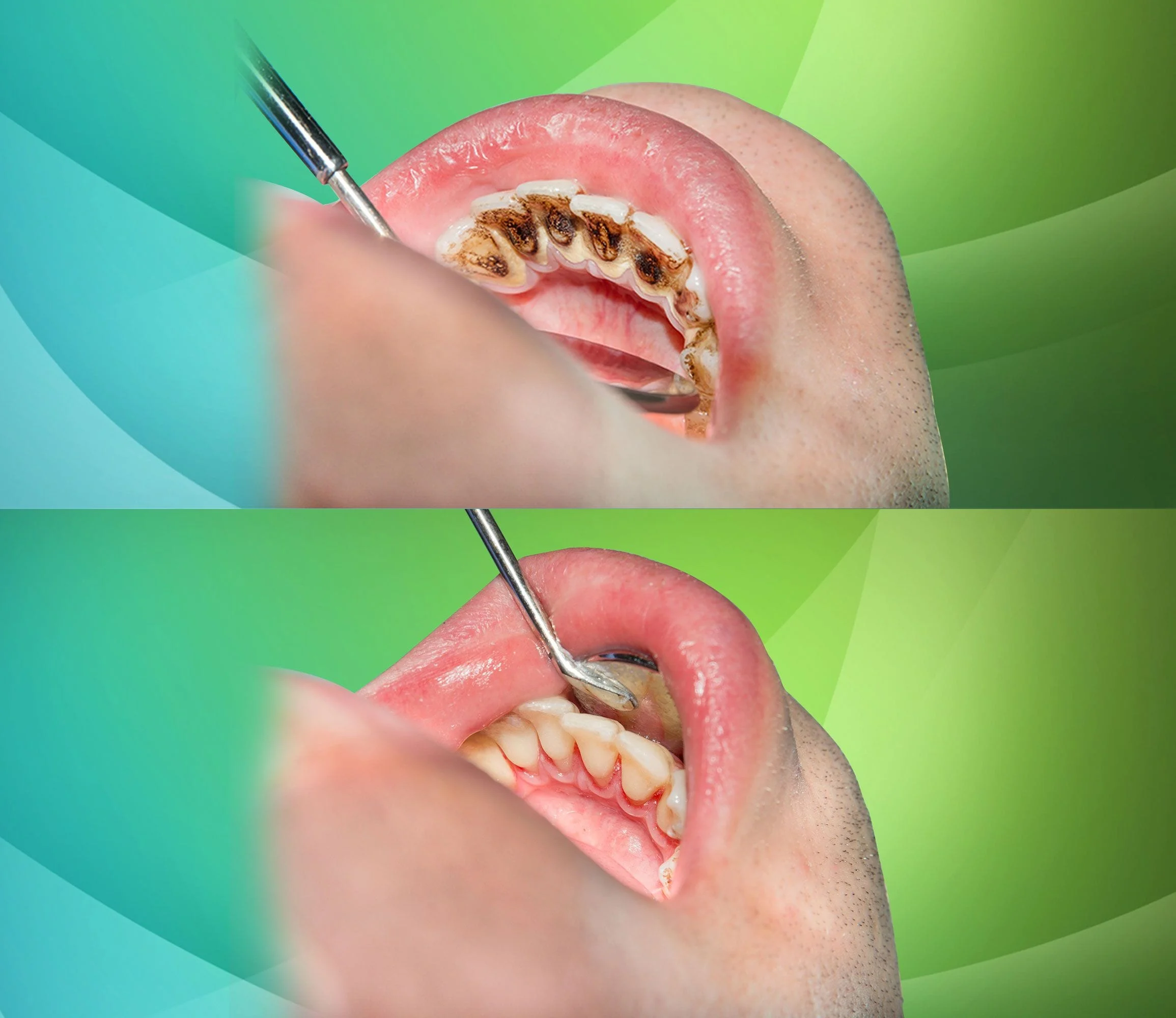
The earliest stage of gum disease, gingivitis, is very common. Gingivitis can be fully reversed if teeth are properly cared for. Daily brushing and flossing can stop gingivitis before it has a chance to take hold. In the moderate stage of gum disease, the gums have become clearly damaged, and the teeth may require scaling and deep cleaning. In advanced gum disease, the bone supporting the teeth has started to erode. This can put the teeth at risk because they no longer have a stable place for the roots to anchor. If the advanced gum disease is treated before there is any tooth loss, the teeth can often be saved. Deep cleaning and scaling can also be very helpful for advanced gum disease, as this allows the dentist to remove the tartar and harmful bacteria from the mouth. Infections can also be treated by removing bacteria that is lurking in the pockets around the gums.
What Are the Risk Factors for Gum Disease?
The biggest risk factor for gum disease is poor oral hygiene or general neglect of the teeth over a period of time. Tobacco use (both chewing and smoking) also increases the risk of gum disease. Diabetes patients and other people with systemic diseases may be more likely to develop gum disease. Heredity can also play a part in the development of gum disease. While some factors may not be controllable, the factors that are controllable, such as oral hygiene, can make a huge difference.
What Are the Most Common Signs of Gum Disease?
If the gums bleed during brushing or flossing, that is a common sign of early stage gum disease. People who struggle with bad breath consistently may also be experiencing the onset of gum disease. If the teeth feel loose or if the teeth suddenly look longer than they once did (this may happen due to gum shrinkage) gum disease may be present, and it's time to see the dentist as soon as possible.